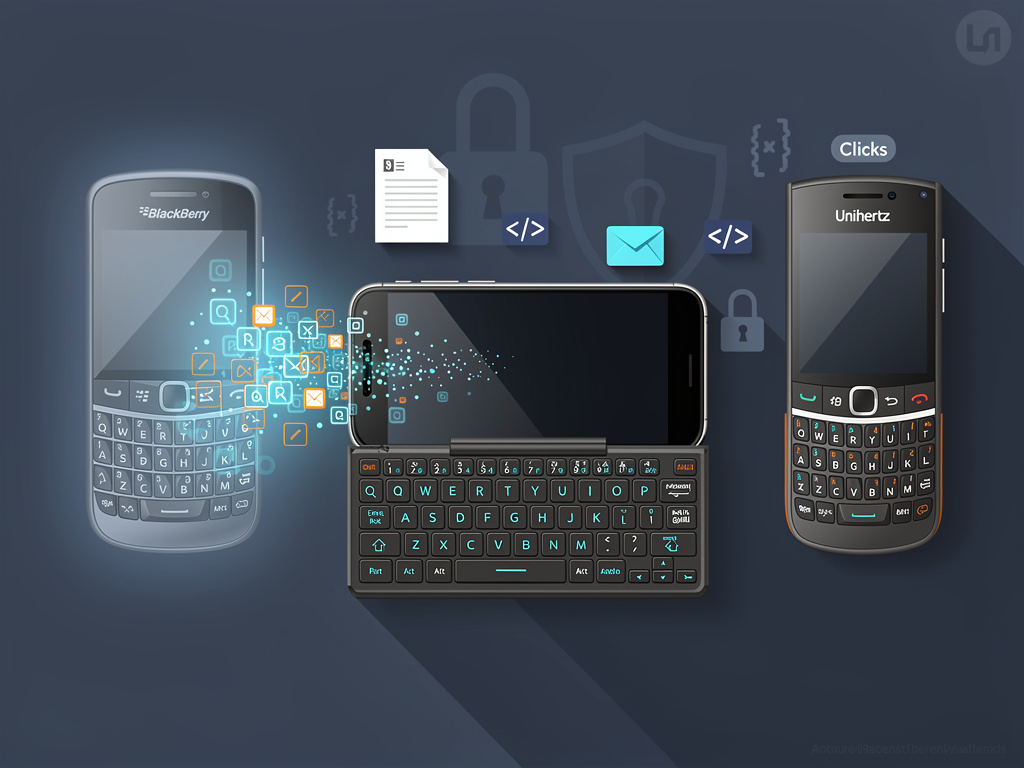
Physical Phone Keyboards: Reclaiming the Tactile in a Touch-First World
In an era dominated by sleek glass slabs and virtual interfaces, the very notion of a physical phone keyboard can feel like a relic from a bygone age. Yet, for a dedicated contingent of users, the appeal of tangible buttons, definitive key travel, and the reassuring click beneath their fingertips remains as strong as ever. This article delves into the world of physical phone keyboards, exploring their enduring relevance, the unique information they convey through their very design, and where insights into their often-overlooked value can truly be found.
To understand the essence of a physical phone keyboard, we must first define 'physical' itself. As dictionary definitions broadly explain, 'physical' pertains to the body, material things, or that which is tangible and perceptible through the senses. In the context of a phone, this isn't merely about the device's overall form factor, but specifically about the input mechanism – a set of keys that exist as distinct, three-dimensional objects, offering tactile feedback and requiring a deliberate, physical action to register an input, distinguishing them sharply from their on-screen virtual counterparts.
The Tangible Reality: What Defines a Physical Phone Keyboard?
At its core, a physical phone keyboard is an input interface characterized by its material presence. Unlike a touch-sensitive area on a screen that simulates keypresses, a physical keyboard provides actual, individual buttons or keys that you can feel, press, and receive feedback from. This distinction is crucial and forms the bedrock of its appeal.
- Tactile Feedback: Each key has a distinct "feel" – a crucial aspect of its physicality. This includes the resistance it offers, the point at which it registers a press (actuation point), and the satisfying "click" or "thud" as it reaches its bottom-out point. This immediate, haptic response confirms an action without needing visual confirmation.
- Key Travel: This refers to the distance a key travels from its resting position to its fully depressed state. Greater key travel often translates to a more comfortable and less fatiguing typing experience, similar to traditional computer keyboards.
- Layout and Ergonomics: Whether a full QWERTY layout, a numerical keypad, or a specialized array, the physical arrangement and contouring of keys can significantly impact typing speed and accuracy. Designs have varied from candy-bar style numeric pads to slider phones revealing full keyboards, and the iconic BlackBerry front-facing QWERTY.
- Durability and Materiality: The choice of materials for keys (plastic, rubber, metal) affects their feel, longevity, and resistance to wear and tear. The physical nature also means they can accumulate dirt or wear down, aspects not typically associated with a glass touchscreen.
This commitment to a palpable, responsive interface is what differentiates the physical keyboard experience. It's an interaction where muscle memory thrives, and the user's connection to the device is mediated by a series of precise, tangible actions rather than fluid, gesture-based interactions.
A Journey Through Time: Evolution and Enduring Appeal
The history of mobile phones is inextricably linked with physical keyboards. From the simple 12-button numerical keypads of early feature phones to the revolutionary full QWERTY keyboards that defined the BlackBerry era, physical inputs were once the standard. They facilitated rapid text entry, email composition, and navigation, becoming indispensable tools for both communication and productivity.
The advent of the iPhone in 2007, with its expansive multi-touch screen and virtual keyboard, marked a significant pivot. Suddenly, screen real estate was no longer sacrificed for physical buttons, allowing for dynamic, context-sensitive interfaces. This innovation led to a rapid decline in devices featuring physical keyboards, pushing them into a niche market.
Despite this shift, the physical phone keyboard never entirely vanished. Its enduring appeal lies in several key areas:
- Nostalgia and Familiarity: For many, the muscle memory developed on these keyboards translates into immediate comfort and efficiency.
- Tactile Assurance: The distinct feedback of a physical key press reduces ambiguity and improves confidence in input, especially for users who value precision over speed.
- Accessibility: For users with certain visual impairments or motor skill challenges, the spatial constancy and tactile cues of a physical keyboard can offer significant advantages over a featureless glass screen.
- Specialized Use Cases: In industries requiring rugged devices or rapid, single-handed text entry (e.g., logistics, field service), physical keyboards often provide better reliability and usability in challenging environments.
While mainstream manufacturers largely abandoned them, companies like Unihertz and Astro Slide have continued to cater to this passionate segment, demonstrating that the demand for a truly tactile typing experience persists.
The Information Nexus: Unpacking the Pros and Cons of Physicality
When we analyze 'physical' in the context of phone keyboards, we uncover a clear set of advantages and disadvantages. These are the "information" derived directly from their tangible nature.
Advantages Rooted in Physicality:
- Superior Tactile Feedback: This is arguably the biggest differentiator. The physical "click" or "thud" provides immediate confirmation of a key press, reducing typos and the need for visual verification. This translates into more confident and often faster typing for skilled users.
- Enhanced Accuracy: With distinct key separation and tactile cues, mis-hits are less frequent compared to virtual keyboards where fingers can drift across a smooth surface. Touch-typists can often achieve higher accuracy without looking at the screen.
- Reduced Screen Real Estate Usage: A physical keyboard means the entire display is available for content, messaging, or apps, rather than being partially obscured by a virtual keyboard.
- Muscle Memory and Ergonomics: Users develop strong muscle memory, allowing for blind typing. Key layouts can also be physically sculpted for better ergonomic comfort over long typing sessions.
- Reliability in Varied Conditions: Physical buttons can be more forgiving in wet conditions, with gloved hands, or when dealing with screen protectors that might interfere with touch sensitivity.
The Trade-offs of Tangible Keys:
- Increased Device Bulk and Weight: Integrating a physical keyboard inevitably adds to the phone's thickness, length, and overall weight, going against the modern trend of ultra-slim devices.
- Design Complexity and Durability Concerns: Slider or flip mechanisms, common with physical keyboards, introduce moving parts that can be points of failure or wear over time.
- Limited Layout Flexibility: Unlike virtual keyboards that can change layouts and add special characters on the fly, physical keyboards are fixed. This can make entering symbols, emojis, or foreign language characters more cumbersome.
- Higher Manufacturing Costs: The intricate mechanics and additional components of a physical keyboard can increase production costs compared to a purely touchscreen device.
- Aesthetics: For many, the sleek, uninterrupted design of an all-screen phone is more appealing than one with a visible physical keyboard.
Understanding these trade-offs is crucial for anyone considering a return to, or first foray into, a physical phone keyboard experience. The "information" here is not just about features, but about the fundamental impact of physicality on user experience and device design.
Where to Find Insights: Beyond Dictionary Definitions
The initial reference context for this article highlighted a critical point: dictionary definitions of 'physical' do not contain specific information about physical phone keyboards. This naturally begs the question: where *does* the information lie? The answer is manifold, scattered across various sources that reflect real-world usage, technological evolution, and passionate user communities.
To truly understand the value, mechanics, and user experience of physical phone keyboards, one must look beyond generic definitions and delve into practical, experiential, and historical data:
- Tech Reviews and Journals: Historical tech reviews from the 2000s and early 2010s are rich with insights into devices like BlackBerry, Nokia E-series, and various slider phones. Contemporary tech sites occasionally review niche devices that still incorporate physical keyboards.
- User Forums and Enthusiast Communities: Online forums (e.g., CrackBerry forums, XDA Developers, Reddit communities like r/BlackBerry, r/Android or specific device subreddits) are invaluable. Users share real-world experiences, tips for customization, repair guides, and subjective opinions on typing feel and efficiency.
- Manufacturer Specifications and Marketing Materials: For current devices (like those from Unihertz or specialized rugged phone manufacturers), their product pages detail key travel, button materials, and ergonomic design choices.
- YouTube Reviews and Demonstrations: Visual and auditory reviews can provide a tactile understanding, showcasing key presses, sound, and typing speed in action, which text descriptions often miss.
- Hands-on Experience: Ultimately, the most comprehensive information comes from actually using a physical keyboard. Trying different models allows for personal assessment of key travel, spacing, layout, and overall comfort.
The true "information" about physical phone keyboards is therefore a blend of technical specifications, historical context, subjective user experience, and a deep appreciation for the tangible aspects of technology. It's a field where personal preference plays a significant role, and where the 'physical' transcends mere definition to become a deeply integrated part of the user's interaction with their device.
Conclusion
The journey to understand physical phone keyboards is a fascinating exploration of technology, design, and human interaction. While dictionary definitions of 'physical' lay the conceptual groundwork, the real insights emerge from examining how this 'physicality' translates into a tactile, responsive, and often deeply satisfying user experience. Despite their retreat from the mainstream, physical keyboards continue to represent a powerful counter-narrative to the all-touch paradigm, offering precision, tactile confirmation, and a unique ergonomic advantage for a dedicated user base. For those who value the feel of a real button and the certainty of a definitive click, the information about their enduring appeal lies not just in specifications, but in the enduring satisfaction of touch, press, and tangible feedback.