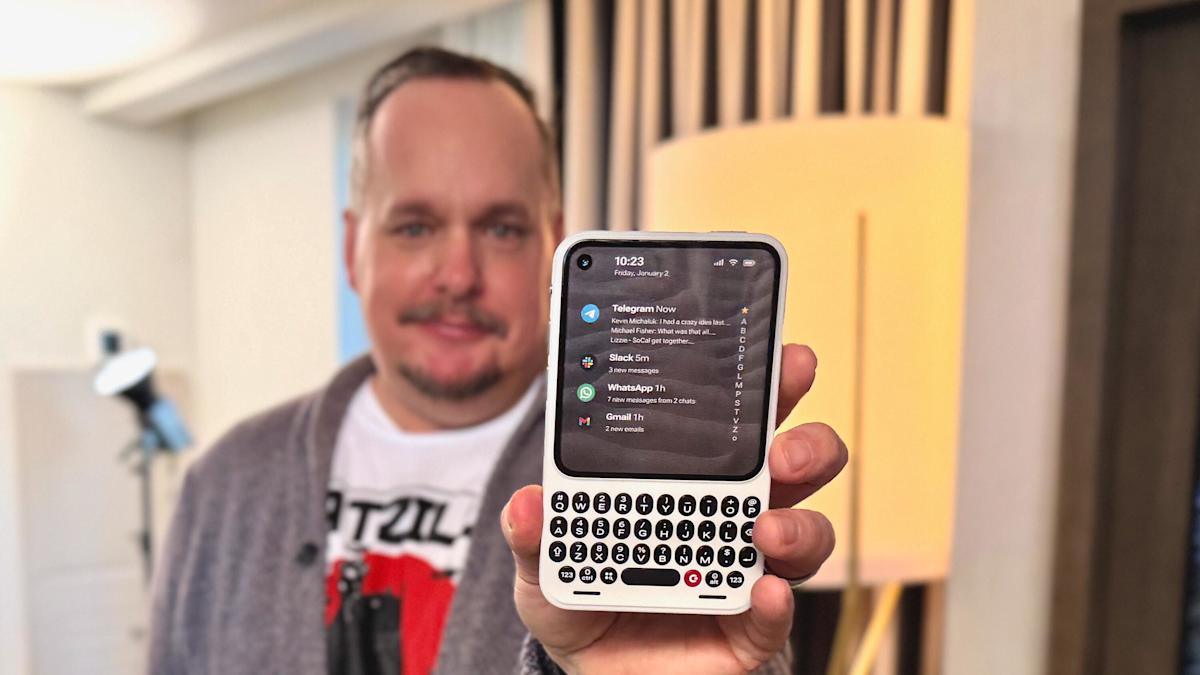
Deconstructing 'Physical': The Foundational Step to Understanding Phone Keyboards
In an era dominated by sleek, expansive touchscreens, the concept of a 'physical' phone keyboard might seem like a relic from a bygone mobile age. Yet, understanding what defines 'physical' is the absolute first step in truly appreciating the history, advantages, and even the potential future of these tactile input devices. The term "physical," at its core, refers to something tangible, material, and perceptible by touch or sight. It denotes a real, concrete existence rather than an abstract or virtual one.
When we apply this fundamental definition to phone keyboards, we’re talking about components that you can genuinely feel and press – actual, discrete buttons that offer mechanical resistance and feedback. This stands in stark contrast to the purely visual and haptic simulations offered by on-screen, virtual keyboards. The distinction isn't merely semantic; it fundamentally alters the user experience, interaction, and even the way we process and input information on our mobile devices. The very essence of what makes these keyboards distinct lies in their physical presence, the solid form factor that dictates how we interact with them. For a deeper dive into how this tangible aspect translates to the actual input process, explore Physical Phone Keyboards: Where Does the Information Lie?, which examines the mechanics of information capture through these distinct interfaces.
A Tactile Legacy: The Evolution and Heyday of Physical Phone Keyboards
Before the smartphone revolution rendered most screens into singular, smooth panes of glass, physical phone keyboards were the undisputed champions of mobile input. Their journey is a fascinating narrative of innovation driven by the practical needs of communication.
Early Beginnings: Numeric Keypads and the T9 Era
The earliest mobile phones, often called feature phones, predominantly featured numeric keypads. These were typically 12-button layouts (0-9, *, #) where multiple letters were assigned to each number key. Typing text messages on these required a system like T9 (Text on 9 keys), where software predicted the intended word based on the sequence of key presses. This method, while ingenious for its time, was slow and often required numerous presses for a single letter, let alone a word.
The Rise of QWERTY: Speed and Precision
As mobile communication evolved beyond simple calls and basic texts, the demand for faster, more efficient typing grew. This led to the emergence of full QWERTY keyboards on phones, mimicking the layout of traditional computer keyboards. Iconic devices like the BlackBerry series championed this design, offering users a dedicated key for every letter, symbol, and number. These keyboards came in various forms:
- Full front-facing QWERTY: Devices like the BlackBerry Bold or the Nokia E71 integrated the keyboard directly below the screen, sacrificing some screen real estate for unparalleled typing speed.
- Slider QWERTY: Popularized by phones like the T-Mobile Sidekick and early Android models (e.g., HTC G1, Motorola Droid), these keyboards slid out from beneath the screen, offering a larger, more ergonomic typing surface while allowing for a bigger screen when not typing.
- Swivel or Fold-out QWERTY: Less common but equally innovative, these designs offered unique ways to deploy the keyboard.
The heyday of these physical keyboards was marked by a strong user preference for their distinct advantages. For business professionals, students, and avid texters alike, the speed and accuracy afforded by a physical QWERTY keyboard were transformative, enabling rapid communication in a way virtual keyboards of the era simply couldn't match.
The Enduring Appeal: Why Physical Keyboards Still Resonate
Despite their diminished presence, physical phone keyboards retain a loyal following and possess inherent advantages that even the most advanced virtual keyboards struggle to replicate. These benefits are fundamentally tied to their tangible nature:
Unmatched Tactile Feedback and Precision
This is arguably the most significant advantage. When you press a physical key, you feel a distinct click, a slight resistance, and then a firm actuation. This tactile feedback allows users to type without constantly looking at the screen, relying instead on muscle memory and the sensation of each key press. This leads to:
- Increased Typing Speed: Experienced users can often type faster on a physical QWERTY keyboard than on a virtual one, especially for long-form messages or emails.
- Reduced Errors: The clear distinction between keys minimizes accidental presses, making typing more accurate.
- Enhanced Touch Typing: The ability to feel the key boundaries and the "home row" bumps allows for true touch typing, similar to a computer keyboard.
Superior Ergonomics and Comfort
Physical keyboards are designed with human hands in mind. Keys can be shaped, spaced, and angled to fit the natural curve of thumbs or fingers, reducing strain during extended typing sessions. Dedicated function keys, shortcut buttons, and navigation pads further enhance usability and comfort, providing a more intuitive interface for many users.
Reliability in Diverse Environments
Unlike touchscreens, which can be temperamental with wet fingers, gloves, or extreme temperatures, physical buttons offer consistent performance. This makes them ideal for:
- Outdoor Use: Gloved hands can still operate physical keys.
- Industrial/Rugged Environments: Where screens might get dirty or wet, physical buttons remain functional.
- Accessibility: For users with certain visual impairments or motor skill challenges, the distinct physical keys provide crucial navigational and input cues.
Perceived Security and Dedicated Input
For some, the dedicated hardware input of a physical keyboard offers a greater sense of security or privacy compared to software-based virtual keyboards, which are inherently more susceptible to software exploits or keyloggers. While not a definitive security measure, it's a perception that holds weight for certain users.
The importance of defining "physical" clearly is paramount here, as it delineates these unique benefits from their virtual counterparts. To delve deeper into how this foundational understanding shapes our appreciation of these devices, refer to Defining Physical: Essential for Phone Keyboard Understanding.
The Decline and Potential Reimagination of Physical Keyboards
Despite their clear advantages, physical phone keyboards saw a dramatic decline with the advent of advanced smartphones featuring large, multi-touch capacitive screens. Several factors contributed to this shift:
- Screen Real Estate: Physical keyboards occupy significant space, limiting the screen size. As media consumption and app interfaces became more visual, larger screens became a priority.
- Design Complexity and Cost: Integrating moving parts (like slider mechanisms) adds complexity to phone design, increases manufacturing costs, and introduces points of failure.
- Virtual Keyboard Innovations: Predictive text, autocorrect, gesture typing (like Swype), and sophisticated haptic feedback made virtual keyboards increasingly efficient and user-friendly.
- Aesthetics: The sleek, minimalist aesthetic of an all-screen phone became the dominant design trend.
However, the story of physical phone keyboards isn't entirely over. There's a persistent niche demand and a glimmer of potential reimagination:
Niche Markets and Specialized Devices
Physical keyboards continue to thrive in specific sectors:
- Rugged Phones: For construction workers, outdoor enthusiasts, or emergency services, durability and reliable input via physical buttons remain critical.
- Communication-Focused Devices: Some small startups and enthusiast communities continue to develop devices aimed squarely at efficient text-based communication.
- Accessibility Devices: For users who benefit from tactile cues, physical keyboards offer a more accessible interface.
Accessory Keyboards
The market for accessory keyboards – clip-on attachments, Bluetooth keypads, or even cases with integrated mini-keyboards – caters to users who want the flexibility of a large touchscreen but desire the precision of physical keys for specific tasks. These offer a modular approach, allowing users to choose when and how they engage with physical input.
The Future: Blending Physical with Digital Innovation
The future might not see a mass return of built-in physical keyboards, but innovation could still redefine the 'physical' interaction. Concepts like dynamic haptic keys that change their texture or shape, or keyboards that fold and unfold seamlessly, could offer the best of both worlds. The core desire for tangible feedback and precise input remains, suggesting that while the form factor may evolve, the underlying principle of 'physical' interaction holds enduring value for a significant segment of users.
Conclusion
The journey of "physical phone keyboards" is a testament to the diverse ways we interact with technology. From their ubiquitous presence on feature phones and early smartphones to their current status as a cherished niche, their definition remains rooted in tangibility and tactile feedback. Understanding 'physical' in this context is not just about historical appreciation; it’s about recognizing the inherent advantages these devices offer in terms of precision, speed, and comfort for many users. As technology continues to advance, the pure screen experience will undoubtedly evolve, but the fundamental human desire for a tangible, responsive interface ensures that the spirit of the physical phone keyboard – whether integrated or as an accessory – will continue to influence and enrich our mobile communication landscape.